
Solving Problems with AI, Not Buzzwords
After the flash of AI hype in the past few years, early stage founders are finally cutting through the noise. Instead of chasing headlines, they’re building tools that fix real problems tools that actually get used. Think diagnostic support in hospitals, carbon tracking for supply chains, or route optimization in freight logistics. These are hard, often boring challenges. But they’re where execution matters most.
Healthcare, climate, and logistics are turning into proving grounds. Founders with first hand experience in these spaces aren’t interested in building just another chatbot they’re focused on infrastructure level impact. It’s no longer about who has the fanciest AI model. It’s about which startup delivers the fastest insights or the cleanest automation in a messy, high stakes workflow.
Investor pitch decks are shifting too. Buzzwords get you a polite nod. What wins real attention is proof of traction, real users, and clear value. The energy is less “next big thing” and more “this actually works.”
Explore the key trends to watch
Vertical SaaS on the Rise
The era of generic enterprise software is winding down. Startups are now leaning into Vertical SaaS software built not for everyone, but for someone very specific. Think farm management platforms tailored for crop rotation planning, CRMs designed strictly for dental practices, or logistics tools made just for regional real estate developers. These aren’t wide nets; they’re surgical tools.
Why now? Markets are saturated, and businesses expect software that speaks their language. Founders with deep domain knowledge (sometimes industry veterans themselves) are leading the charge, building tech solutions that feel native to niche workflows. And investors are paying attention. Platforms with a clear audience, repeatable pain point, and defensible IP in a niche space? That’s a pitch VCs increasingly want to hear.
This shift isn’t about thinking smaller it’s about thinking smarter. Winning in today’s market means knowing exactly who you serve, and serving them better than anyone else.
Sustainable Everything

Sustainability isn’t a niche anymore it’s the direction the entire startup scene is heading. Clean tech is getting sharper, more affordable, and more embedded in how new companies think. Circular economy models that used to feel like edge case experiments are now attracting serious talent and capital. Same goes for low waste manufacturing startups they’re no longer chasing grant money; they’re building profitable, scalable businesses.
What’s surprising is how steady the funding pipeline has been. Even when money gets tight elsewhere, climate aligned sectors continue to draw investment thanks to long term tailwinds like ESG mandates, public awareness, and forward looking regulation.
On that note, the regulatory landscape once a growth bottleneck is now acting more like a launchpad. Governments are setting clear targets around emissions, waste, and energy use, and startups are stepping up to meet those mandates with tech that actually moves the needle. Compliance is no longer just a box to tick it’s a blueprint for innovation.
Fundraising Beyond Silicon Valley
The days of every hot startup story starting in a San Francisco café are over. More early stage funding is now flowing out of Southeast Asia, Eastern Europe, and Latin America and the checks aren’t just symbolic. VCs are betting big on regional insights and lean operators where competition is lighter and founder grit is often higher.
These aren’t second tier markets anymore. They’re proving grounds for resilient, globally minded startups that are native to remote work. Founders are building with distributed teams, solving problems in their own backyards, and accessing capital across continents. Investors are catching on to the fact that market size doesn’t always mean market saturation.
As the cost of launching and scaling continues to drop, access not address matters more. Startups raised in Bogotá, Bucharest, or Bangkok may never set foot in the Bay Area, and that’s no longer a problem. It’s the point.
The Human Factor: Founder Well Being
Startups have always worshipped at the altar of hustle. But in 2024, founders are finally calling time. Mental health is no longer whispered about it’s on the product roadmap. Tools focused on emotional fitness, burnout prevention, and real time coaching are becoming common in early stage teams.
Venture capital conversations increasingly include culture checks and founder chemistry. Alignment between co founders isn’t soft it’s structural. Without it, teams break. Without health, so do founders.
Isolation and stress used to be part of the job description, worn like a badge. No longer. Smart startups are wiring emotional sustainability into their DNA early. They’re swapping burnout for balance not because it’s trendy, but because it keeps companies alive.
Stay Ahead of the Curve
Startups live or die by timing. Spotting a trend before it crests gives you room to build well, test fast, and scale while the market window is still open. Founders who wait for headlines are already behind. That’s why pattern recognition obsessively tracking what’s emerging in tech, behavior, and policy is one of the most underrated edge factors in early stage building.
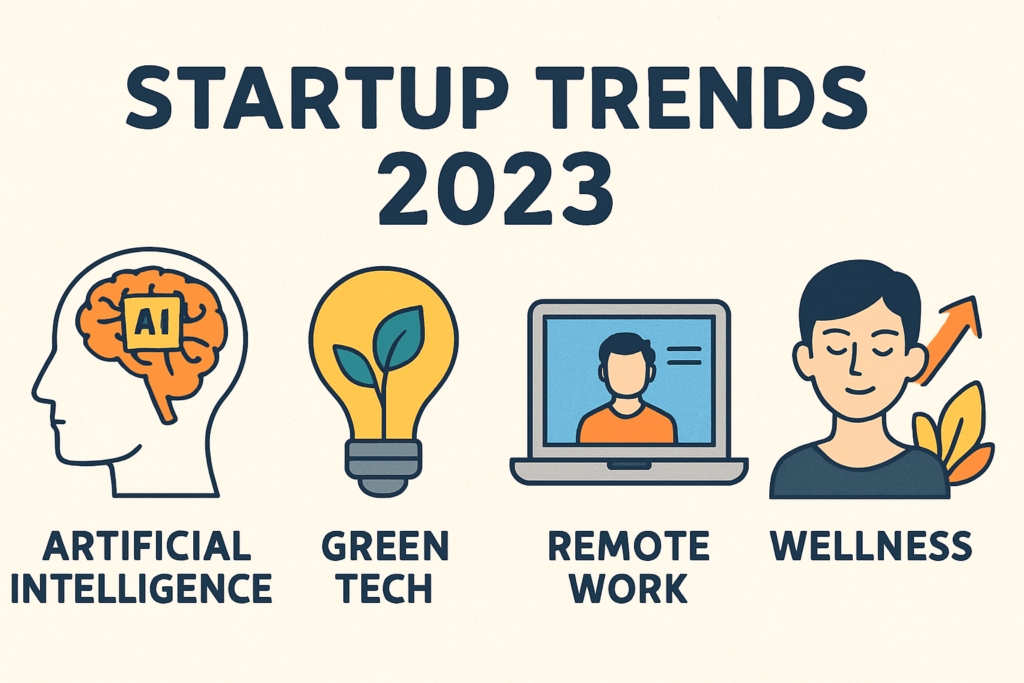
In 2024, shifts in AI practicality, vertical SaaS, sustainability, and funding geography aren’t just noise they’re signals. Pay attention. Know what’s coming. Make sure your product and your pitch speaks to where the market is headed, not where it used to be.