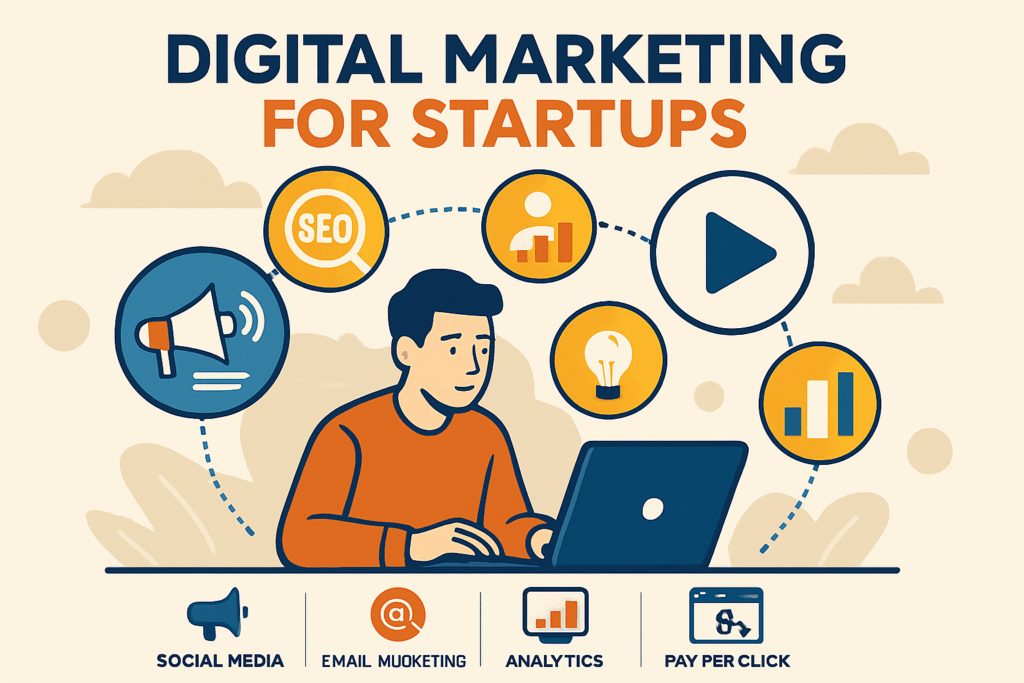

Starting a business in tech can feel overwhelming, but it doesn’t have to be. If you’ve ever wondered how to start a software business wbinvestimize, you’re not alone—thousands of aspiring entrepreneurs are asking the same question every day. Whether you’re technical or not, turning your idea into a viable software product is more accessible than it used to be. For a practical breakdown of the process, check out this essential resource to get a clear and actionable foundation.
Sharpen the Idea: Define Who You Serve and Why
Before you write a single line of code or hire a team, make sure your business idea is solving a real problem. Ask yourself three basic questions:
- Who is my customer?
- What is their pain point?
- How do I solve it in a way that’s better than what exists?
Your software can be anything—CRM for dentists, scheduling software for salons, or a niche B2B analytics platform. But without a clear use case and a specific customer in mind, you’ll build something nobody needs. Research online communities, forums, and competitors. Validate your idea with early conversations, surveys, or mockups before building costly features.
Choose Your Business Model
There are several different ways to monetize software. The best model depends on your target market and distribution strategy. Here are the common ones:
- SaaS (Software as a Service): Monthly or annual subscriptions. Ideal for B2B and recurring revenue.
- Freemium: Core product is free; users pay for advanced features. Great for mass adoption.
- One-time licenses: Suitable for utilities or tools where ongoing updates are minimal.
- Marketplace/Platform Fees: Useful if your software enables transactions between users (e.g., Airbnb, Upwork).
Keep it simple at first. You can always test pricing later.
Build a Minimum Viable Product (MVP)
An MVP is the basic version of your software that does just enough to deliver your core value. It’s not about impressing with advanced features—it’s about proving the concept works.
If you code, great—start prototyping. If not, partner with a developer or use no-code tools like Bubble, Glide, or Webflow. Build fast, then test with real users and collect feedback. User feedback early on is worth more than polished aesthetics.
Set the Legal and Financial Foundations
Even scrappy startups need a solid foundation. Here’s what you can’t skip:
- Register your business entity (LLC or corporation, depending on your location and goals).
- Open a business bank account.
- Set up basic accounting. QuickBooks, Xero, or even spreadsheets can work initially.
- Protect your IP. Use NDAs, assign IP rights clearly in contracts, and consider trademarking your brand name.
These steps aren’t sexy, but they protect you as you grow.
Build an Effective Launch Strategy
The best product will fail if no one knows it exists. Launching a software business means building awareness before, during, and after your release. Start early:
- Create a landing page. Collect email addresses while building your MVP.
- Talk in relevant online communities. Reddit, Hacker News, Facebook groups—be helpful, not salesy.
- Leverage beta testers. Offer early access in exchange for feedback and testimonials.
- Use Product Hunt or press coverage. Be ready with a launch checklist: demo video, clear copy, FAQs.
Your first 100 users will help shape and amplify your product.
Scale with Deliberate Iteration
Once you’ve launched and validated your core offering, resist the temptation to throw in every customer suggestion. Scaling a software business comes down to focus. Improve your product deliberately:
- Use analytics and customer feedback to prioritize updates.
- Introduce paid plans or upsell offers gradually.
- Automate marketing using email campaigns, referral systems, and content strategies.
When growth starts, hire slowly. Fill roles that increase capacity (sales, support, dev) before adding layers of management or overhead.
Mistakes to Avoid
Launching a software startup is hard enough without running into avoidable traps. Here are red flags to steer clear of:
- Overbuilding before validation. Don’t spend months polishing features nobody asked for.
- Ignoring customer support. Early users are gold; treat them like partners.
- Neglecting legal docs. Terms of use, privacy policies, and software licenses all matter—especially in SaaS.
- Assuming “build it and they will come.” Marketing is as important as code.
Stay lean, test fast, and focus on solutions, not tech wizardry.
Real-World Case Studies
Plenty of successful founders started with scrappy MVPs and limited technical expertise. Some examples:
- A solo founder built a habit-tracking SaaS using no-code tools and free marketing channels, scaling to $5K/month in six months.
- A small dev team created inventory software for small e-commerce brands and grew via direct outreach and influencer reviews.
- A high school teacher launched a subscription-based classroom management app targeted at public schools and won direct state contracts.
All these stories started the same way: they figured out how to start a software business wbinvestimize by keeping things simple, solving real problems, and iterating based on feedback.
Final Thoughts
Knowing how to start a software business wbinvestimize isn’t just about launching a product. It’s about clear thinking, focused experimentation, and relentless listening. When you’re just starting out, don’t worry about scaling, raising capital, or perfect design. Instead, zero in on getting one real customer to love a tool you’ve built.
Everything else—fancy features, big press releases, or even funding—comes later. Start lean, stay flexible, and keep your customers at the center.
If you’re looking for a more detailed roadmap, this essential resource breaks it all down step-by-step, from validating your idea to finding your first users.
Good software businesses don’t start with code. They start with clarity.