
Why Look Beyond Traditional VC?
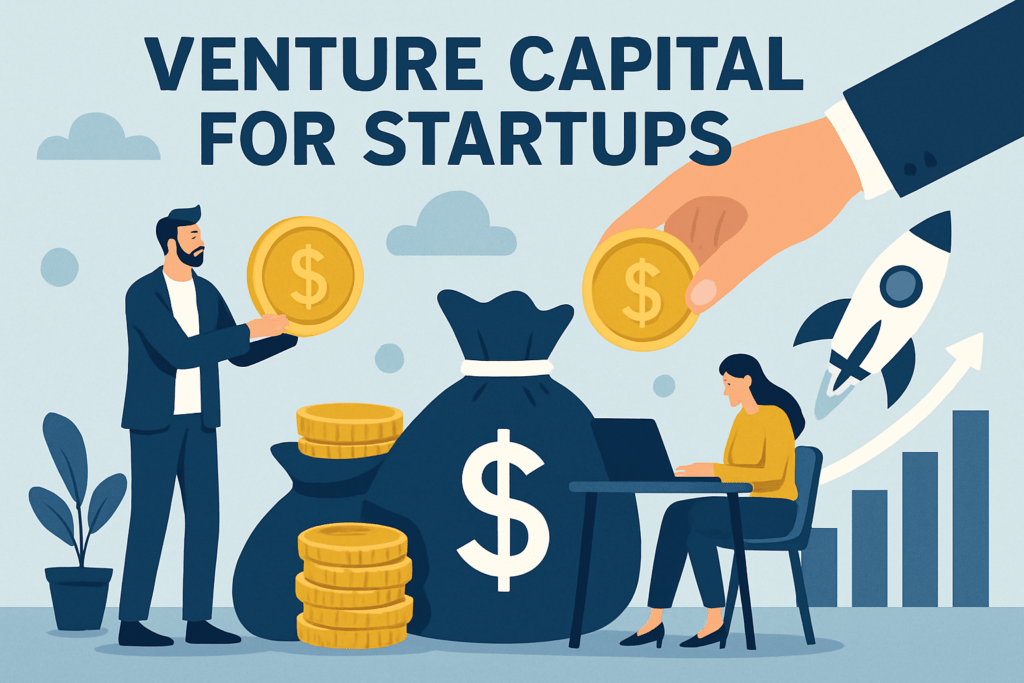
Venture capital isn’t always the golden ticket it’s made out to be. Founders often chase big checks without asking what comes attached sky high valuations, aggressive growth targets, and a diluted say in their own company. The pressure to scale fast can burn through early momentum and steer a business off course. For many startups, taking venture money too early means giving up control before the real journey even starts.
That’s why more founders are looking at leaner, smarter ways to fund their ideas. Bootstrapping, revenue based financing, grants, crowdfunding each gives you options to grow at your own pace, stay focused on building real value, and maintain more ownership.
And timing matters. Just because your idea is great doesn’t mean it needs VC money right now or ever. Waiting until you have traction or proven market demand can give you more leverage later, if and when you do raise. There’s power in figuring out your business first, then choosing your financial path, not getting boxed into someone else’s playbook.
Bootstrap Smarter, Not Harder
Self funding a startup is never glamorous, but if done right, it keeps things tight, focused, and surprisingly sustainable. The key? Don’t just throw in your savings and hope for the best. Mix your personal capital with early operational income start small but monetize early. Even a few hundred a month from pre sales, limited services, or beta users can keep things moving without draining your bank account.
Runway is your lifeline. To extend it, lean startup tactics are non negotiable. Validate fast. Build what people actually need, not what you think looks impressive. Keep design simple, reuse tools, and when in doubt, manual scrappiness beats unnecessary automation. Skip vanity bills: no $800 logos, no overpriced coworking spaces. Invest only where it directly drives testing, revenue, or learning.
Self funding isn’t about starving your dream. It’s about feeding what works, cutting what doesn’t, and moving forward with discipline. You don’t need a big budget to get big signals you just need a tight grip on what matters right now.
Revenue Based Financing (RBF)
Revenue Based Financing is straightforward: you raise capital now and pay it back later as a fixed percentage of your monthly revenue. No equity gone, and no strict timeline breathing down your neck. Instead, repayment flexes with how well you’re doing. Slow month? Lower payment. Big spike? Pay down more.
The main upside vs. traditional loans or VC is control. You don’t give away ownership, and you’re not locked into fixed monthly payments regardless of income. You align your funding obligation with performance which makes a lot of sense if your revenue streams are predictable but still growing. That’s why it’s ideal for SaaS, subscription boxes, and ecommerce brands with solid margins.
RBF also keeps founders focused. No constant check ins with equity partners, no pitch decks every quarter. Just a clear financial model with built in accountability.
You’re scaling on your own terms just a little faster.
Crowdfunding That Actually Works

Crowdfunding isn’t just a buzzword it’s a real funding path, if you know how to use it. The first choice? Equity vs. rewards based models. Equity crowdfunding (like Wefunder or StartEngine) gives backers a slice of your company. Rewards based platforms (think Kickstarter, Indiegogo) offer early access, exclusive merch, or other perks. Equity works when you have a compelling, long term pitch. Rewards based? Better for physical products, creative projects, and early buzz.
Standing out on these platforms means more than throwing up a video and crossing your fingers. Here’s what works: lean into storytelling. Why now? Why you? Why does this matter? Strong visuals, clear language, and tight goal setting help. Also: social proof. Early backers, testimonials, even press coverage these build momentum.
Most important of all? Treat your backers like more than wallets. Community isn’t a step in the funnel it’s the foundation. The smartest founders use crowdfunding to kick start a movement, not just bankroll a product. Engage, update, involve. These aren’t transactions they’re connections that fuel long term growth.
Grant Programs and Competitions
Startups often overlook grants and competitions, but they can be powerful funding sources that don’t require giving up equity. The key lies in knowing where to look and how to make your application stand out.
Where to Find Non Dilutive Funding
Grants and competitions come in many shapes and sizes. Consider sources such as:
Government programs: Local, state, and national agencies often fund innovation, particularly in health, tech, education, and sustainability sectors.
NGOs and nonprofits: Mission driven funding is available for startups aligned with social impact or global development goals.
Corporate innovation arms: Large companies may offer grants or run startup challenges to discover emerging solutions that complement their industries.
Pro Tip:
Look for sector specific pitch competitions and accelerator linked grants. They often offer funding combined with valuable mentorship or industry access.
What Funders Really Want to See
Judges and funding committees are not just looking for a brilliant idea they want to see:
Clear problem/solution fit: Can you articulate exactly what problem your startup is solving?
Social or strategic relevance: Why does your concept matter now, and to whom?
Evidence of traction: Even something as simple as early user feedback or a working prototype can demonstrate readiness.
Team credibility: A capable, committed team often weighs more than glossy pitch materials.
Turning Free Money into Real Momentum
Winning a grant or competition is just the beginning. How you use that capital can define its long term impact:
Build key features or validate your MVP instead of scaling prematurely
Document your progress to show other funders and stakeholders how you’ve made the most of non dilutive capital
Use these wins as leverage in future fundraising rounds traction and recognition can open more doors than a cold pitch
Ultimately, grants and competitions aren’t just financial boosts they’re opportunities to gain credibility, sharpen your strategy, and grow with fewer strings attached.
Strategic Partnerships & Corporate Investment
Venture capital isn’t the only path to scale. Strategic partnerships and corporate investment are increasingly becoming go to funding alternatives for startups that want to grow without giving up equity or control.
Sell Access, Not Ownership
Many startups are finding success by offering what big companies truly want: access.
Access to innovation Offer pilot programs or product integration with enterprise platforms
Access to audiences Allow larger partners to reach niche or emerging user segments
Access to data Provide anonymized or aggregated insights that support existing corporate strategies
Rather than trading shares for cash, these arrangements exchange value for mutual benefit such as co branded marketing, distribution channels, or exclusive usage rights.
Scale Through Strategic Alignment
Startups that align closely with a corporation’s roadmap often receive more than just funding:
Technical resources and infrastructure (from cloud credits to logistics support)
Mentorship and training from experienced professionals
Access to customers and international markets far beyond what a startup could achieve alone
Real World Case Studies
Consider these examples of access first growth:
A healthtech startup partnered with a major insurance provider to pilot its platform, resulting in a nationwide rollout across clinics without raising a dollar in VC funds.
An AI powered analytics tool was embedded into a Fortune 500 company’s internal systems, providing recurring revenue and real time user feedback that shaped product development.
Avoiding Traditional Investor Pressure
Strategic partners often care more about collaboration than explosive exits. That means:
Less pressure to scale at breakneck speed
More patience for product market fit
Focus on sustainable metrics over headline growth
This approach buys entrepreneurs time and often, longevity.
Bottom line: Strategic partnerships offer capital, credibility, and commercial opportunity all without giving up your company’s DNA.
Digital Marketing: Fuel for Alternative Funding Success
Visibility builds leverage. And in the world of alternative funding, leverage matters more than polish. Whether you’re aiming for a killer Kickstarter launch or attracting sponsors to back your niche product, people can’t support what they haven’t seen.
Startups that win in this space invest in digital marketing early not in a flashy brand campaign, but in consistent outreach. Think: founders sharing their build in public journey, landing pages that convert, email lists that grow steadily. The goal is steady, authentic visibility that signals energy and traction.
Social proof plays a big role. Early media mentions, customer testimonials, or active comment sections all help. These don’t just impress crowdfunders they also warm up potential strategic partners and make future fundraising efforts feel less like cold calls.
Digital marketing isn’t just about now. It’s about building durable presence so that when it’s time to raise, you’ve already laid the trust foundation. For a more tactical approach, check out this Marketing for Fund Growth guide.
Final Word: Build Leverage Before You Raise
Traditional fundraising often glorifies the pitch deck, but in today’s startup landscape, traction speaks louder than slides.
Focus on Building, Not Just Pitching
Investors whether VCs, angels, or non traditional backers are increasingly looking for momentum, not hypotheticals. Showing real world traction helps validate your business in ways a polished pitch never can.
Early users or paying customers
Growing waitlists or product demand
Partnerships or testbed pilots
These indicators not only prove market interest but also allow founders to negotiate from a place of strength.
Know the Price of Every Dollar
Not all capital is created equal. While funding can unlock growth, it often comes with strings attached especially when equity is involved.
Ask yourself:
Will this funding dilute ownership or decision making power?
What expectations come with acceleration or scaling?
How will repayment or milestone requirements impact runway?
Understanding the tradeoffs helps you stay in control of your company’s direction.
Build First. Fund Later If You Need To
You don’t need VC to start a business you need value: proof that your solution matters to real people. Many of today’s top startups began lean, grew through smart execution, and used alternative funding only when it made strategic sense.
Bottom line: fundraising should be a growth tool, not your survival plan. Focus on building value now. The right funding if and when you need it will follow.