
Economic Shocks and Startup Resilience
In the face of mounting economic uncertainty, startups have had to dramatically adjust their approach to growth and sustainability. Inflation, interest rate hikes, and recession signals have made capital harder to secure, leading to a clear shift in investor and founder behavior.
Early Stage Funding Feels the Impact
Securing early stage funding has become more challenging, with many investors pulling back or adopting more cautious strategies.
Higher interest rates have increased the cost of capital, reducing appetite for risky, unproven bets
Inflation has driven up operational costs, putting pressure on burn rates
Recession fears have led VCs and angels to prioritize margin stability over aggressive expansion
From Growth at All Costs to Sustainable Profitability
Gone are the days when blitz scaling and high burn rates were seen as signs of ambition. Today’s market rewards sustainable, scalable models.
Founders are shifting toward business models that demonstrate early revenue viability
Growth is being measured more critically with a focus on CAC, LTV, and path to profit instead of user acquisition alone
Investors are favoring startups with clear roadmaps to breakeven or profitability
The Rise of Lean, Efficient Operations
Efficiency has become non negotiable. Startups now view lean operations as a core strength, not a temporary tactic.
Teams are smaller, but more specialized and globally distributed
Tools and automation are being adopted earlier to reduce overhead
Survival mindset favors creativity in budgeting and prioritization
Bottom Line: Economic shocks have recalibrated what success looks like for early stage startups. Agility, profitability, and operational discipline are no longer nice to haves they’re survival traits.
Geopolitical Shifts Redrawing Startup Maps
Sanctions, tariff wars, and the ongoing mess around supply chains are forcing startups to rethink where and how they do business. For years, the playbook was simple: go global, chase scale fast, rely on just in time logistics. But the current climate is making that strategy riskier. Founders are now looking for operational safety, which means getting closer to suppliers, partners, and end users.
Startups are doubling down on local manufacturing and regional supplier networks. Not because it’s trendy but because it reduces exposure when policies change overnight. A chip shortage a continent away or sanctions on a key trade partner can wipe out a business model if it’s too lean on logistics.
Governments are taking notice. From the EU to Southeast Asia, local incentives, infrastructure initiatives, and tax breaks are quietly reshaping the global startup map. Cities that were once afterthoughts are turning into viable hubs, especially for early stage ventures looking for regulatory stability and access to untapped markets.
In short: flexibility is a survival trait now. For a closer look at where founders are planting flags, check out this piece on the Best Cities for Startups.
Climate and Crisis Accelerating Innovation
In an era defined by environmental urgency and unexpected global disruptions, startups are emerging as frontline problem solvers. Climate change and worldwide crises from natural disasters to infrastructure breakdowns aren’t slowing entrepreneurship; they’re redirecting it.
The Surge of Green Tech Startups
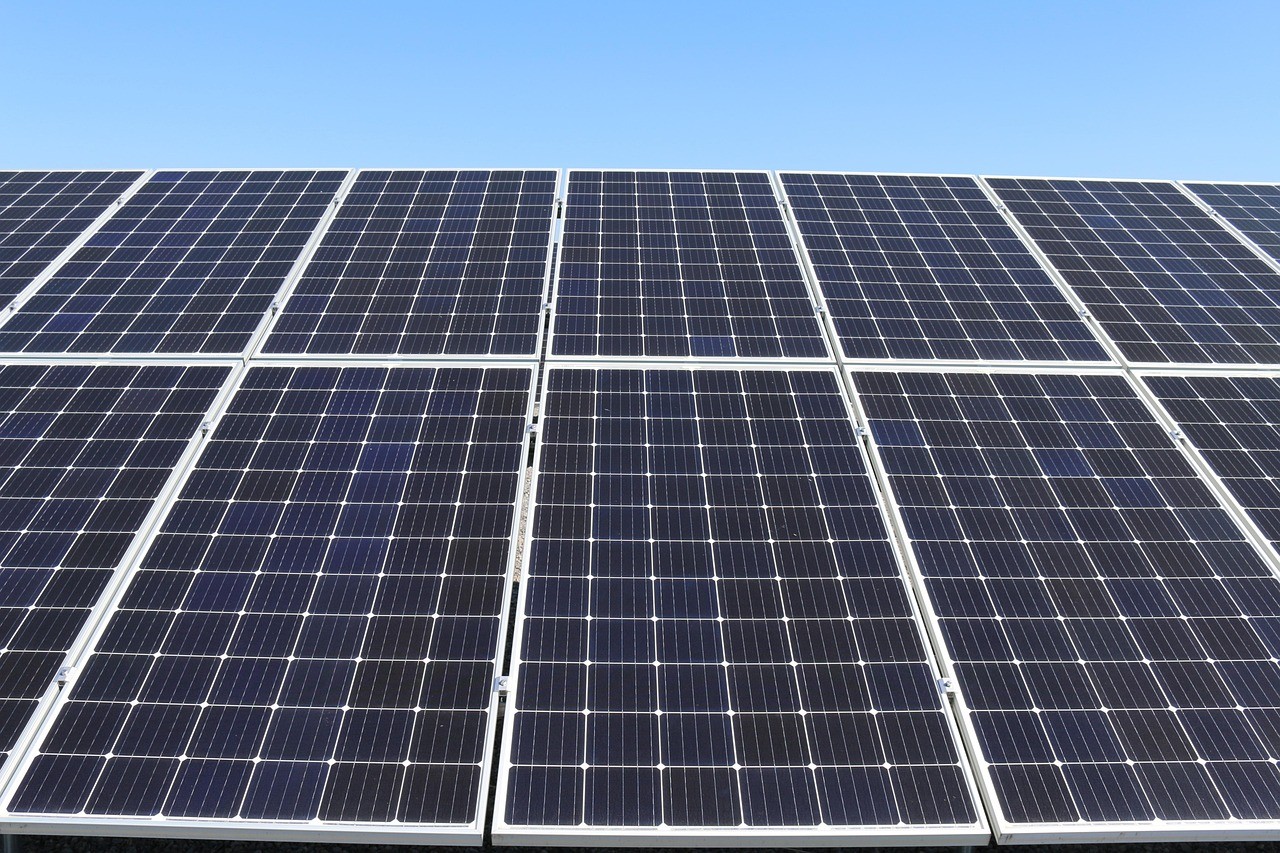
Sustainability has moved from a niche concept to a central business model. Founders are increasingly launching startups with a climate first ethos, aiming to solve big problems without leaving a big footprint.
Increased funding for green and clean technology ventures
Focus on carbon capture, energy storage, and alternative materials
Startups creating circular economy platforms to reduce waste
Demand for Energy Efficient, Low Footprint Tools
Startups today face scrutiny not only for the problems they solve but also for how they operate. Investors and customers alike expect energy conscious practices and tools that maximize value with minimal resource use.
Lightweight, cloud based platforms favored over heavy infrastructure
Remote operational models to cut commuting and facility costs
Sustainable packaging, manufacturing, and logistics solutions
Innovation Born in Crisis
Necessity breeds creativity and when crises strike, startups rise with solutions. Recent years have seen the birth of entire industries aimed at resilience and response.
Tools for disaster coordination, real time alerts, and community response
Platforms to support remote infrastructure: from education to logistics
Solutions tailored to underserved or disrupted regions, like decentralized utilities or mobile health care
Opportunity in Challenge
While crises create market instability, they also uncover unmet needs and latent demand. Founders who respond with urgency, empathy, and smart innovation are shaping the next wave of impact driven startups.
Shifting Investor Priorities
Venture capital isn’t what it was five years ago and that’s not a bad thing. Investors are moving away from flashy moonshots and digging into grounded, high resilience plays. That means founders pitching mission driven startups with clear ESG (Environmental, Social, and Governance) frameworks are seeing more traction than those waving the next social app.
Against a backdrop of inflation, supply chain instability, and climate urgency, VC thesis areas have narrowed. Funds are favoring sectors with real world utility think climate tech, digital health, infrastructure resilience. Startups that demonstrate adaptability and strong business fundamentals are far more likely to get a term sheet. Padding burn to chase growth is out. Sustainability in every form is in.
Impact investing has also graduated from side stage to spotlight. More funds now screen deals through both profit potential and long term societal value. It’s less about feel good stories and more about recognizing that global resilience is a business imperative.
The landscape is tougher, but more focused. For founders, that means tightening pitches, showing value fast, and proving alignment with a market that rewards durability over dazzle.
Remote Work and Global Hiring Pools
The Rise and Permanence of Remote Teams
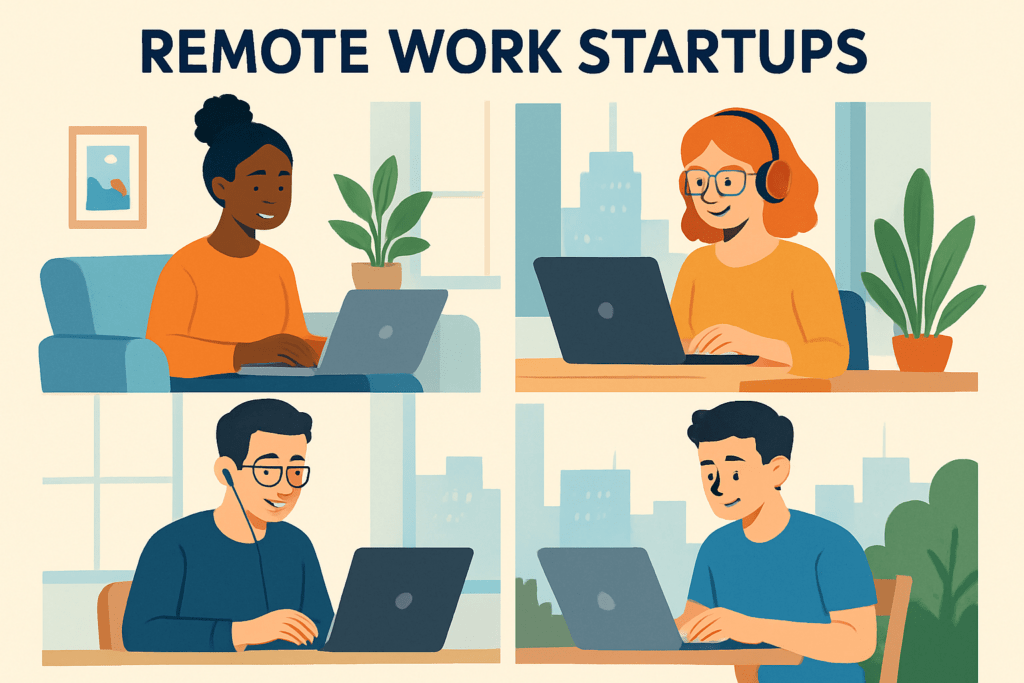
What began as a response to global disruption has now become the default for many startups. Remote work is no longer a stopgap; it’s a foundational strategy. Early stage companies, in particular, are embracing distributed teams to reduce overhead, attract top talent, and scale faster.
Office space is optional, not essential
Talent acquisition is borderless
Founders are prioritizing collaboration tools, asynchronous workflows, and outcome focused work cultures
Startups Leveraging Global Talent
Remote hiring has allowed startups to tap into global talent markets, securing specialized skills at competitive rates. This shift has increased startup agility teams can now scale selectively, hire on demand, and respond to new challenges without being tied to a single local pool.
Access to skill sets across time zones and borders
Cost optimization without sacrificing quality
More diverse teams offer broader market insights
Beyond Silicon Valley: Emerging Innovation Hubs
Startups aren’t just going remote they’re redefining where startups can succeed. As cost of living and hiring pressures grow in traditional metro hubs, new regions are gaining traction.
Tier 2 cities and smaller global regions are attracting tech talent and funding
Local governments are investing in startup friendly infrastructure
Founders are considering quality of life, connectivity, and cost when choosing where to launch
Check out: Best Cities for Startups
Remote work is not just a trend it’s a strategic shift that empowers startups to compete globally from day one. Forward thinking founders are treating it as a core pillar of smart growth.
Final Takeaway: Adaptation as a Survival Trait
In a volatile global environment, the most successful startups aren’t necessarily the fastest growing or best funded. They’re the ones that adapt with intention, clarity, and strategic awareness.
Purposeful Pivots Are Paying Off
Founders who make bold shifts but with a strong sense of direction are navigating uncertainty more effectively than those who double down on outdated models.
Strategic pivots are replacing panic rebrands
Companies are revisiting core missions to find fresh relevance
Flexibility with focus has become a winning formula
Agility Over Headlines
Staying on top of market headlines is important, but chasing every new trend often leads to distractions. Founders with staying power prioritize agility over hype.
Continuous learning and situational awareness are key
Nimble decision making outpaces trend chasing
Companies are investing in adaptability as a core competency
Global Events: Pressure That Shapes, Not Stops
Contrary to belief, global upheavals don’t paralyze the startup world they accelerate its evolution. Every disruption brings new demand, new constraints, and new problems waiting to be solved.
Supply chain disruption = opportunities for local innovation
Economic stress = demand for cost saving platforms
Climate urgency = rise of sustainability driven solutions
The Big Picture
Startups that thrive in 2024 won’t be those that resist change they’ll be the ones that build with it in mind. Evolution is not optional. It’s the operating system for the next generation of founders.