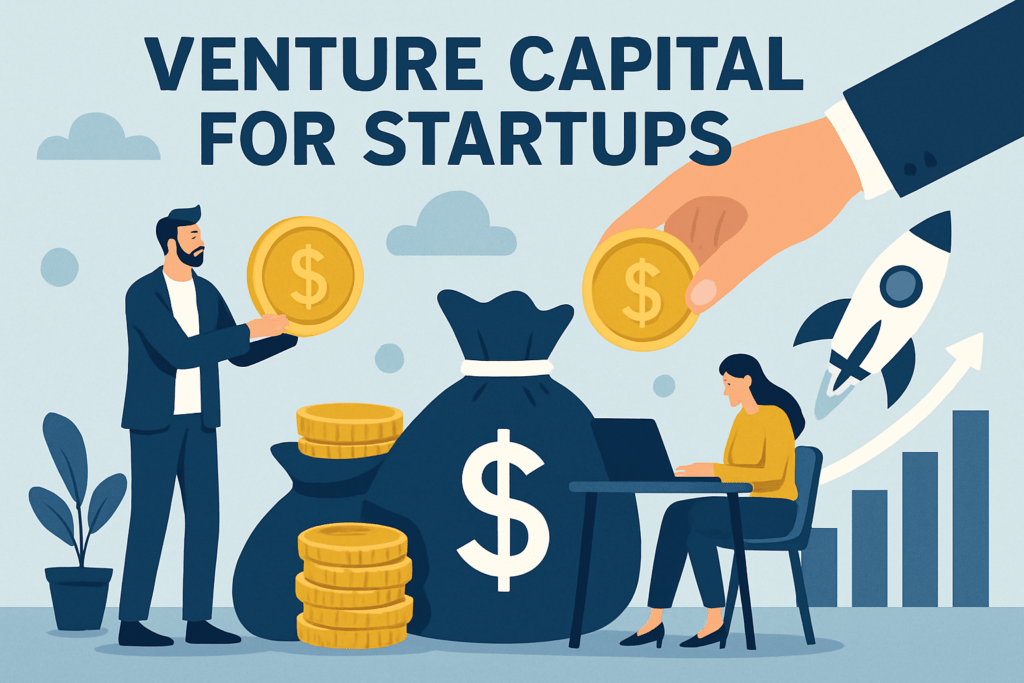

Know What Angel Investors Actually Want
Angel investors don’t just toss money into the wind. They invest in people your clarity, your hustle, and your ability to deliver. The best of them look past the cool idea and zero in on whether you can actually execute. A slick deck won’t outweigh a thin plan.
What they want: scalable ideas (not hobbies), proof that people care (traction always wins), and a founding team that knows what they’re doing or is sharp enough to learn fast. They’ve seen too many pitches where vision feels more like a daydream. What sticks with them are proposals that are focused, grounded, and ready to move.
Be the founder who’s already rolling, not the one still talking about it.
Lock Down a Real Market Opportunity
No real problem = no real business. Angel investors are quick to sniff out vague ideas wrapped in big promises. If your startup isn’t solving something that actually matters to real people, funding won’t follow.
Start with clarity: Who are you serving, and what pain are you easing? Show that you’ve mapped your market, not just imagined it. Be able to point to trends, behaviors, and gaps not hunches or guesses. Investors want proof that you’re not guessing where the puck is going, but skating there already.
Solid research backs it all up. Analyze competitors, talk to potential customers, and use data to show how your solution fits into a shifting landscape. Don’t just say the market is big show how you’ll carve out your own space in it.
Stuck on this part? Here’s how to find market opportunities.
Build a Minimum Irresistible Product
You don’t need perfection. You need proof. No angel investor is waiting for your ideal, polished product to show up in version 12. What they’re really hunting for is real usage signs that people want what you’ve built and are sticking around for more.
A clunky MVP that solves an actual problem will win over a glossy demo that no one uses. Start with something functional, get it in front of users, and learn fast. If you’re seeing traction early signups, repeat usage, a little bit of revenue that tells a story. It says you’re not just dreaming, you’re building.
Shiny decks are one thing. But showing that real humans are clicking, paying, or coming back? That’s what moves an investor’s attention from maybe to let’s talk.
Your Pitch Matters (More Than You Think)

A clear, compelling pitch can make the difference between a polite decline and serious investor interest. Your pitch isn’t just about the facts it’s how you connect them into a story that proves you’ve got vision and traction.
Craft a Razor Sharp Narrative
Before angel investors say yes, they need to understand your business in minutes. Keep your pitch tight and focused:
Who you are: Quickly establish credibility. Why are you the right person (or team) for this?
The problem: What real world pain point are you solving?
Your unique solution: Why is your product different and better?
Market size: Show there’s real potential, not just niche interest.
Traction: Point to real data users, growth, revenue, partnerships.
The ask: What funding do you need, and how will you use it?
Talk Like a Human
Avoid jargon, buzzwords, or overtechnical language. Instead:
Explain your startup like you’re talking to a smart friend, not a domain expert
Use analogies or simple examples to clarify abstract ideas
Tell a short, authentic story that highlights your “why”
If an investor doesn’t understand what you do in the first few minutes, they likely won’t stay interested.
Practice Until It’s Automatic
A great pitch isn’t something you memorize it’s something you internalize.
Rehearse until your delivery is confident, not robotic
Prepare for follow up questions around risk, timelines, and competitive edge
Test your pitch live with peers, mentors, or even friends with no startup background
You’re not just telling a story you’re building belief. The more clarity you bring to your pitch, the easier it is for investors to say yes.
Make It a Two Way Conversation
Angel investors aren’t just a funding source they’re people who’ve built companies, failed hard, and won big. That means they come with networks, war stories, and real world insights most founders can’t afford to ignore. If you’re smart, you won’t just pitch to them; you’ll listen.
Treat the meeting like a two way street. Ask questions: What do they look for in the startups they back? How involved do they like to be? What’s one hire they regret or one pivot that paid off? You’re not just taking money you’re bringing someone into the room who might open doors you didn’t know existed.
Bottom line: Angels aren’t ATMs. They’re potential partners. The more respect and curiosity you show from day one, the better the odds they’ll back you beyond just the check.
Clarity Over Complexity
When pitching to angel investors, clarity always trumps buzzwords and bravado. Investors want to know exactly what’s happening and where you’re headed, without having to decode vague promises or inflated projections.
Lead with Real Data
Don’t rely on exaggerated claims or market hype. Instead, let your numbers speak for themselves:
Share clear, current metrics (e.g., user growth, conversion rates, retention).
Offer insight into how your KPIs have changed over time and what’s driving improvement.
Use benchmarks to contextualize your traction.
A grounded, data backed pitch builds trust and positions you as a founder who knows their business.
Address Weaknesses with Honesty
Every startup has vulnerabilities what matters is how you handle them. Being upfront about risks shows maturity and strategic thinking.
Acknowledge gaps in your product, team, or market timing.
Present clear steps you’re taking to mitigate those weaknesses.
Frame setbacks as learning moments with action plans tied to outcomes.
Why Transparency Wins
Investors don’t expect perfection they expect realism. Being authentic about where you are (and what still needs work) sets a far stronger foundation than pretending everything is bulletproof.
Clarity breeds confidence.
Transparency shows you’re coachable and prepared to adapt.
Investors are more likely to back founders they trust, not just ideas they admire.
Keep a Pulse on Your Market
Angel investors want signals that you’re not just chasing trends you’re anticipating them. It’s not enough to react quickly. You have to show them you’re thinking two steps ahead. That means tracking industry shifts with intent and adjusting as the real world data rolls in.
But don’t pivot at every headline. Hold your ground where it matters. If your core value prop is solid, defend it. At the same time, be flexible enough to refine your tactics or messaging when the landscape demands it. This kind of awareness builds confidence and trust.
Bottom line: know your market better than anyone in the room. That’s what earns serious attention. Need help finding your edge? Here’s how to find market opportunities.
Final Moves That Make You Stand Out
Even with a great pitch, product, and market fit, it’s often the final details that convince angel investors to come on board. These last mile elements show professionalism, readiness, and momentum. Here’s what to focus on:
Build a Clean Cap Table
Before an investor signs anything, they’ll look at your company’s ownership structure. A clean capitalization table signals financial transparency and smart equity management.
Keep it simple: limit unnecessary early equity splits
Avoid overcrowding your early equity pool
Make sure previous commitments (advisors, co founders, contractors) are well documented
A messy cap table can send a signal that you’re not ready for serious funding.
Leverage Early Advisors and Micro Investors
Your earliest supporters often validate your startup’s momentum more than metrics can. Bringing respected advisors or committed micro investors to the table sends a powerful message.
Choose advisors who fill strategic knowledge gaps
Highlight investors with credibility in your sector
Use these early backers to build social proof
Their belief in you will influence others to take a closer look.
Create FOMO Without the Gimmicks
Fear of missing out isn’t about pressuring investors. It’s about showing undeniable traction, clarity, and forward motion that make it obvious: you’re going somewhere with or without them.
Focus on execution, not hype
Share real results: product launches, user growth, pre orders
Keep communication active but never desperate
You don’t need to sell urgency. When you run a tight, fast moving ship, urgency sells itself.
Bottom Line
Smart angel investors are looking for solid fundamentals not flash. Keep it:
Strategic over flashy
Lean over bloated
Real over hype
That’s how you get in the room and earn the check.